
Text
Humanize text: stripping the tells I keep seeing in model output
On this page 0%
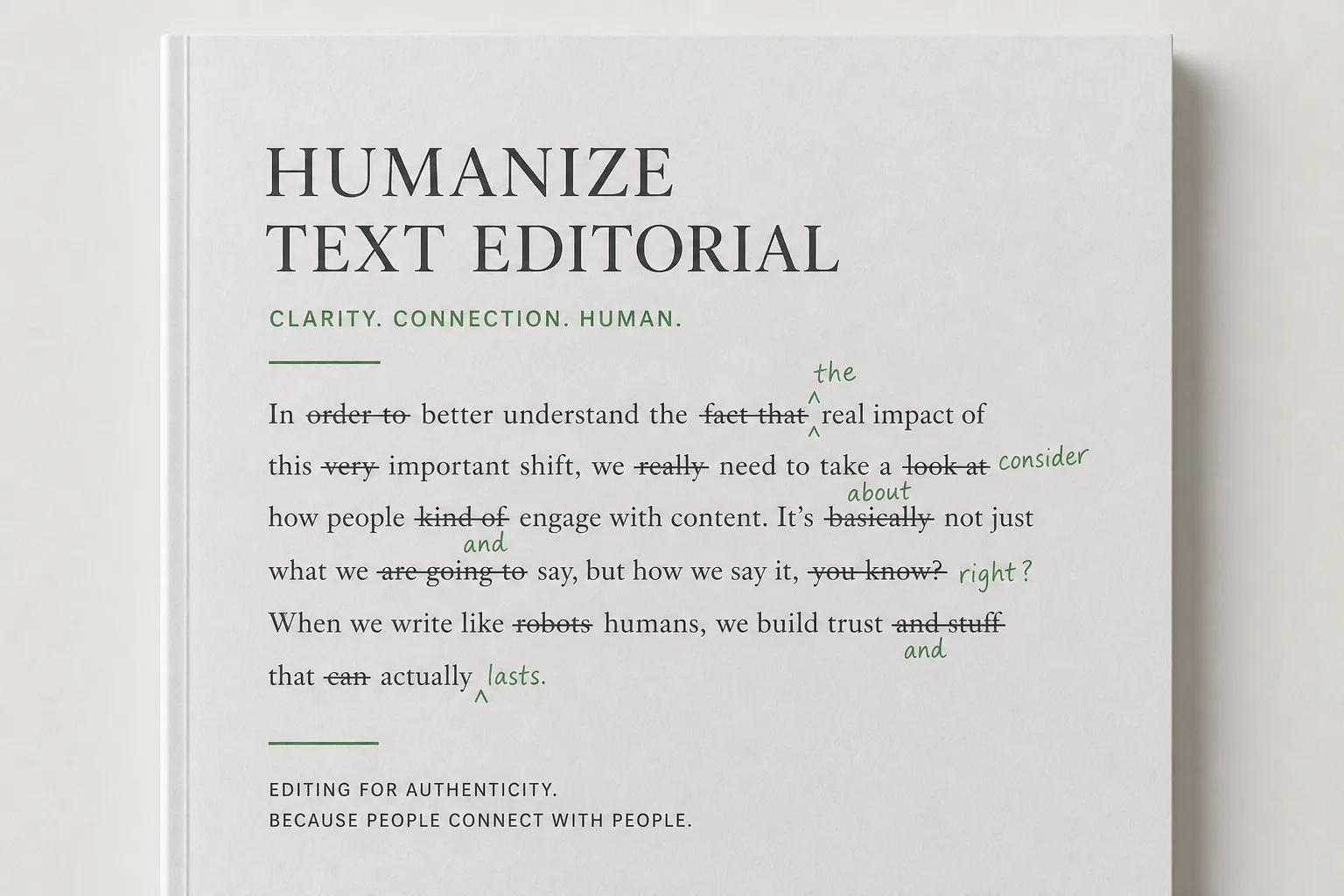
I can spot a default chatbot paragraph from across the room. The em dash parade. The word “delve.” The tidy trio of examples that all start with a verb. None of that is illegal. It is just a style that got overproduced. The humanize text tool is a broom for those tells. It is not a rewriter. It will not fool a detector on purpose. It will swap the furniture that makes a paragraph look like a press release from a model.
This post is the tells I actually strip, why rule-based beats “please sound human” as a second prompt, and what I refuse to claim.
The em dash habit
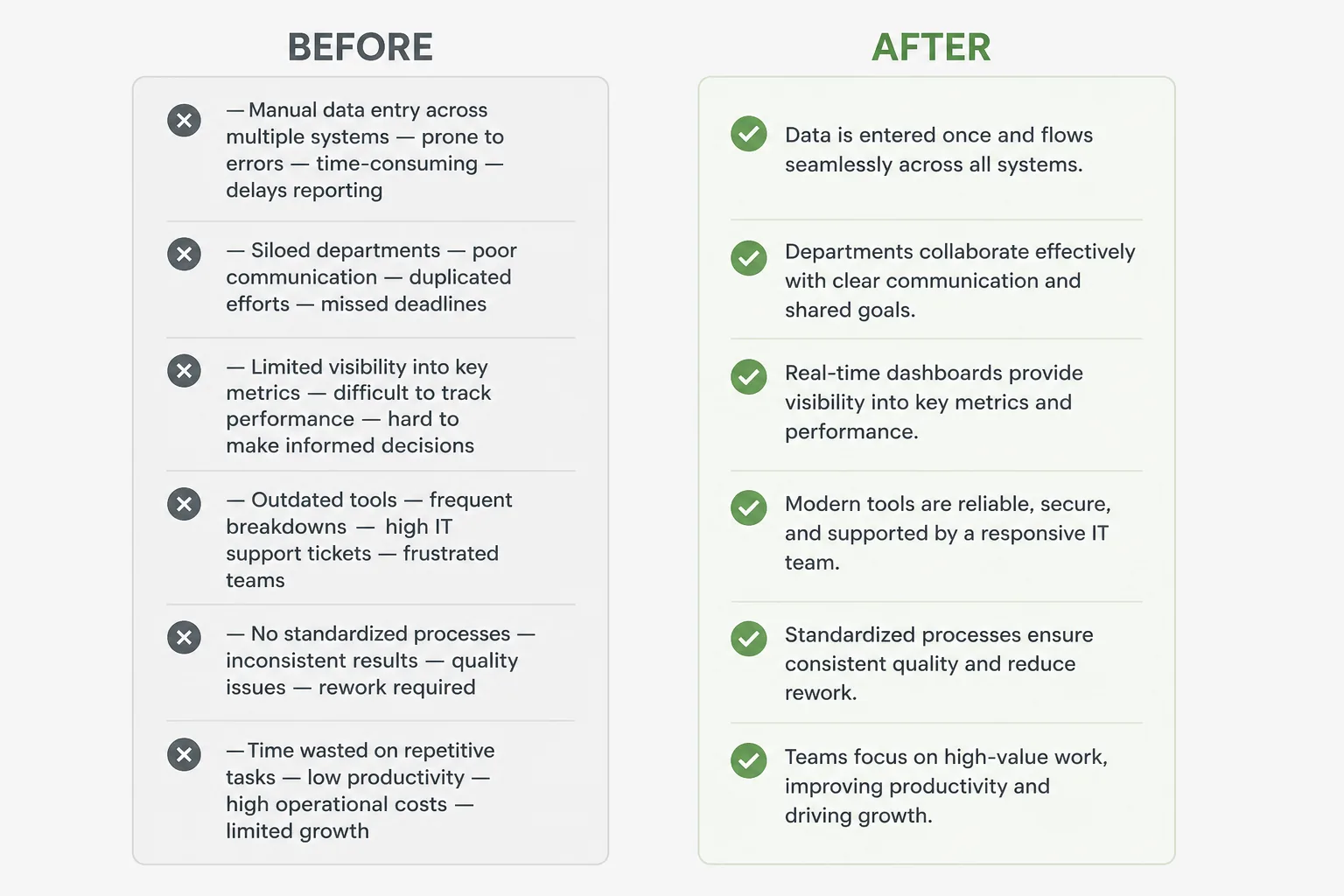
Models love em dashes. They use them as parentheses, as colons, as a drumroll. Humans use them too, which is why a blanket ban is slightly unfair. I still strip them in this tool because the density is the tell, not the existence of one dash in a novel. The replacement is a comma, a period, or a colon, depending on the pattern. I would rather a slightly flat sentence than a paragraph that looks like Morse code.
This blog is written without em dashes on purpose. Not because they are evil. Because I am tired. If I need an aside, I use parentheses or a new sentence. You can hear the difference. The tool automates that fatigue.
Smart quotes and fancy ellipses travel with the same costume. Straighten quotes. Turn a decorative ellipsis into three dots or a period. CSS and terminals thank you. So do diff tools.
Delve and friends
There is a word list that ages like milk: delve, tapestry, landscape (as metaphor), moreover, furthermore, crucial, pivotal, nestled, vibrant, comprehensive, testament. I am not saying you can never write “landscape.” I am saying a product paragraph that “delves into the landscape” is a generated object. The humanizer deletes or downgrades those inflations when they show up as the usual filler, not when you are talking about an actual hill.
Context is the limit of regex. A rule that bans “landscape” everywhere will mutilate a gardening post. Our rules target collocations and sentence openers more than lone nouns. If a true positive survives, you still have a keyboard. The tool is a first pass.
Hedging openers go too: “It is worth noting that,” “In today’s world,” “When it comes to.” They delay the verb. Cut them. The sentence almost always stands.

The rule of three
Models pack examples in threes. “Faster, smarter, and more reliable.” “Developers, designers, and product managers.” Humans do this too, because speeches do this. When every paragraph has a triplet, it reads like a template. The tool does not auto-delete the third item (that would be chaos). It is a thing I watch when I edit by hand. If you see a triplet, ask whether two would do. If you see five triplets, you are in generated land.
Parallel sentence starts are the cousin: “It allows. It enables. It empowers.” Break the rhythm. Combine. Or write one sentence with a list that is actually a list, not a sermon.
What the tool does
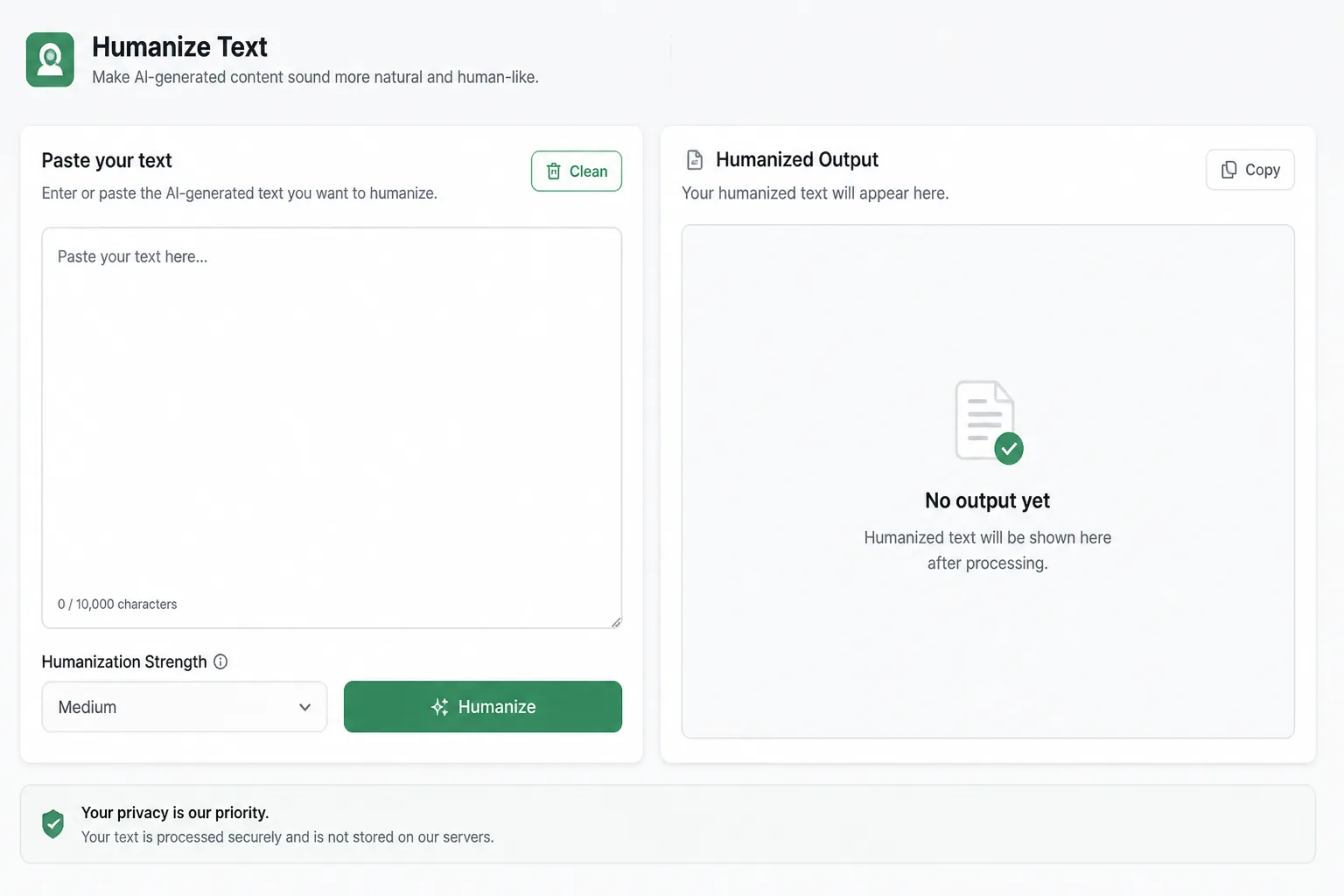
Deterministic replacements in your browser. Em dashes to calmer punctuation. Curly quotes to straight. A set of opener deletions. A set of inflated-word swaps. No LLM round trip. Nothing you paste is a prompt we keep. If a sentence has none of the patterns, it passes through. That is the feature. A rewriter would “help” by changing your meaning. I do not want that help.
It will not beat a statistical detector. Detectors look at more than dashes. Anyone who sells “undetectable” from a regex is selling. I say that on the tool page and I am saying it here. If you need original writing, write. If you need to clean a draft you already edited, broom the tells and then actually edit.
How I use it
I paste a draft that sat too long in a chat window. I run the broom. I read the output out loud. I put back an em dash if I truly want one (rare). I fix any rule that over-trimmed a technical term. Then I ship. The tool is a diff starter, not an author.
I also run it on UI microcopy that came from a brainstorming model: button labels, empty states. Those are short enough that a triplet looks ridiculous. “Generate, create, and produce names” is one verb in a trench coat.
What I will not add
A “humanity score.” A detector API. A mode that synonym-spams until perplexity moves. Synonym spam is another tell. If you want a different voice, change examples and opinions, not adjectives.
I will not claim the output is undetectable, original, or good. Good is on you. Original is on you. The broom only removes some glitter.
Related tools: the color generator will not humanize your CSS. The datasets sampler will not humanize your city list. Different jobs. If you are writing about names, the baby names page is data, not prose help.
Editorial taste
Short paragraphs. Mixed sentence length. A specific noun. An opinion. Those are not regexes I can ship without becoming a nag. They are how I write these posts. If a cleaned paragraph is still generic, the problem was never the dash. It was the empty claim. Replace “this helps users” with the thing it actually does.
Read privacy if you are worried about paste. Local tool. I still would not paste secrets. Habit.
A pass I actually run
First, broom. Second, read for empty claims. Third, put back any technical term the rules grazed. Fourth, check that code in backticks still compiles in my head. I have seen a cleaner smash a minus in a number range because someone treated every dash alike. Our rules should only target em dashes, not the hyphen in AAA-GG-SSSS or in CSS like zinc-900. If a hyphenated identifier dies, that is a bug in the broom, and I want the report.
English is not the only language with generated tells, but this tool is English-pattern based. Running it on a German paragraph will miss the tells and may still straighten quotes, which might be fine. I do not advertise multilingual magic.
If you are cleaning a post about this site, keep the opinions. The broom should not sand off “I do not ship a live SSN lookup.” That sentence is the product. Glitter is a throat-clearing opener plus a vague claim about users. Delete the second kind. Keep the first.
I keep a short personal list next to the code: stacked hedges, identical sentence lengths, and a closing line that restates the intro. The tool cannot catch all of that. After the broom I still cut a closing paragraph that only says “in conclusion” without the words in conclusion. If the last paragraph could be deleted with no loss, I delete it.
Frequently asked questions
Will this make AI text undetectable?
No. It removes surface tells. Detectors and readers still have the rest of the paragraph.
Does it rewrite sentences?
No. Pattern swaps only. No meaning-changing paraphrase.
Can I use it on human writing?
Yes. Stiff corporate prose has the same openers. The broom does not ask who typed it.
Is my text uploaded?
No. Browser only. See privacy.