 Randomly
 Featured
Identifiers
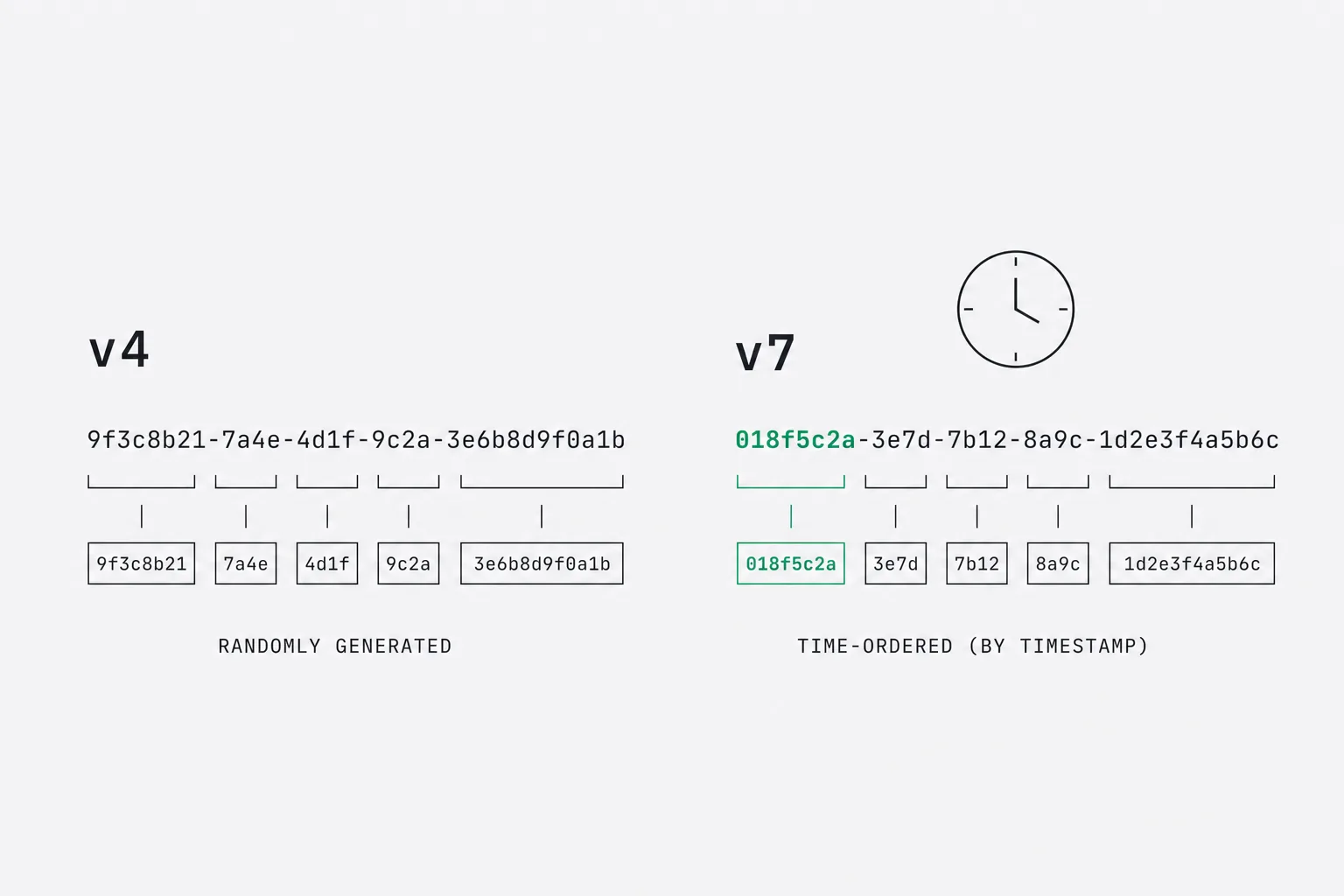
UUID v4 vs v7: random IDs versus time-ordered keys
v4 hides time. v7 keeps your B-tree sane. Same hyphenated string, different index behavior.
Randomly 8 min
The Randomly blog
How the tools work, why formats validate the way they do, and practical ways to generate realistic test data. No fluff.
Featured
v4 hides time. v7 keeps your B-tree sane. Same hyphenated string, different index behavior.

The silly tools are still tools. How I use the roller, trivia, and a random movie without turning the evening into a product demo.
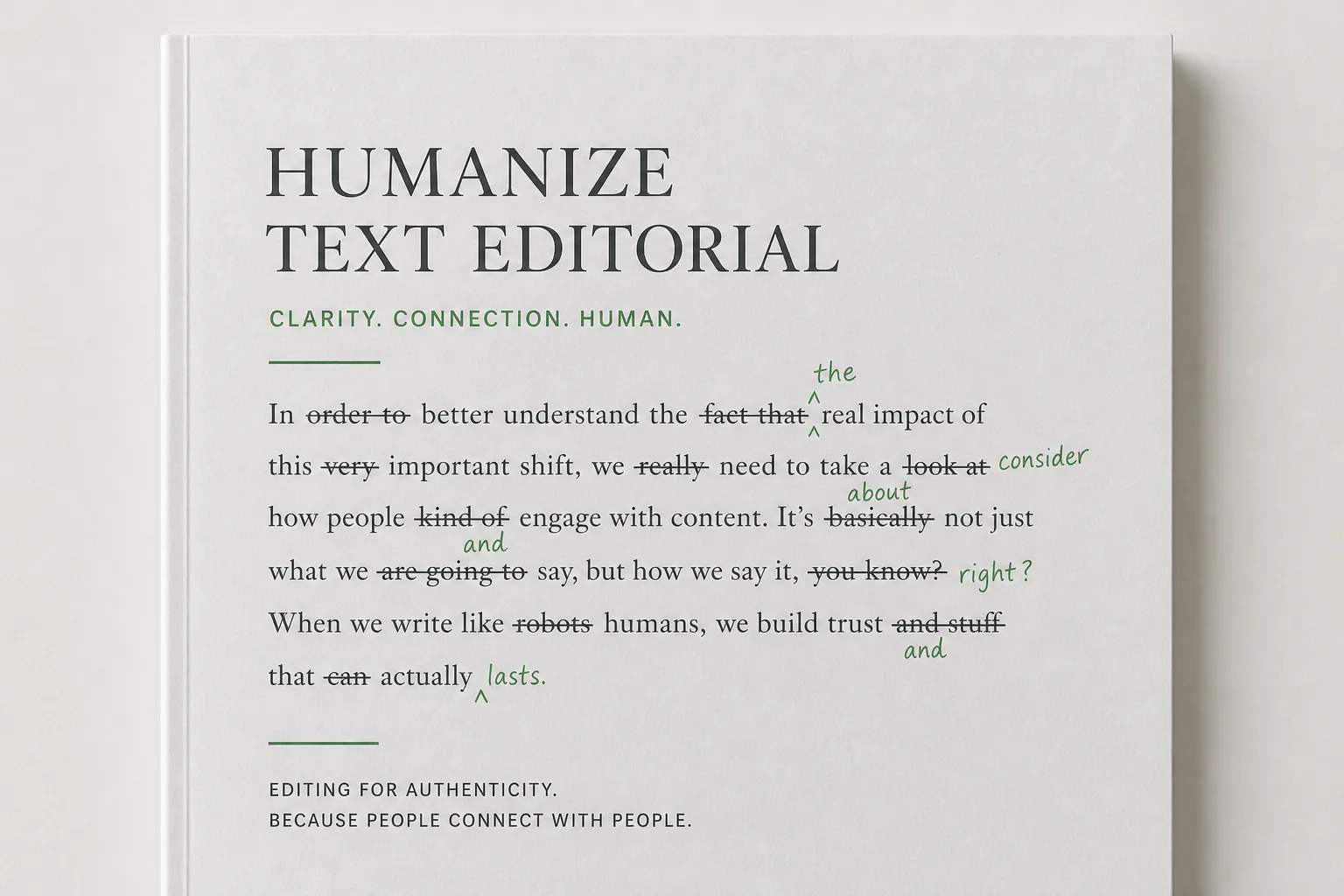
Em dashes, “delve,” neat little lists. A local cleaner for the patterns that make prose look generated.
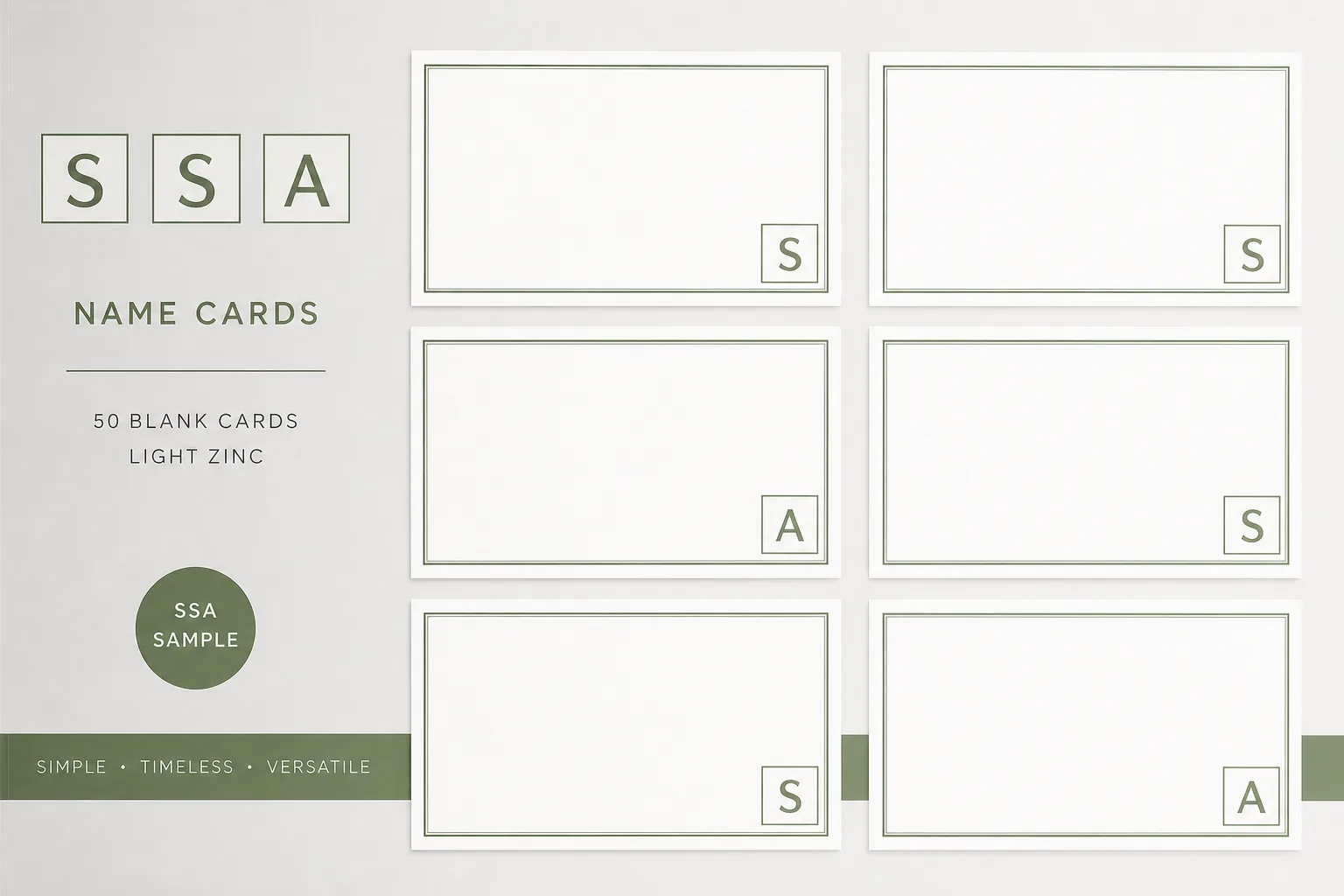
US Social Security files are a specific dataset. Random names from them are useful, and they are biased.

Math.random() is not a tabletop argument. Rejection sampling is. How the roller keeps faces honest.
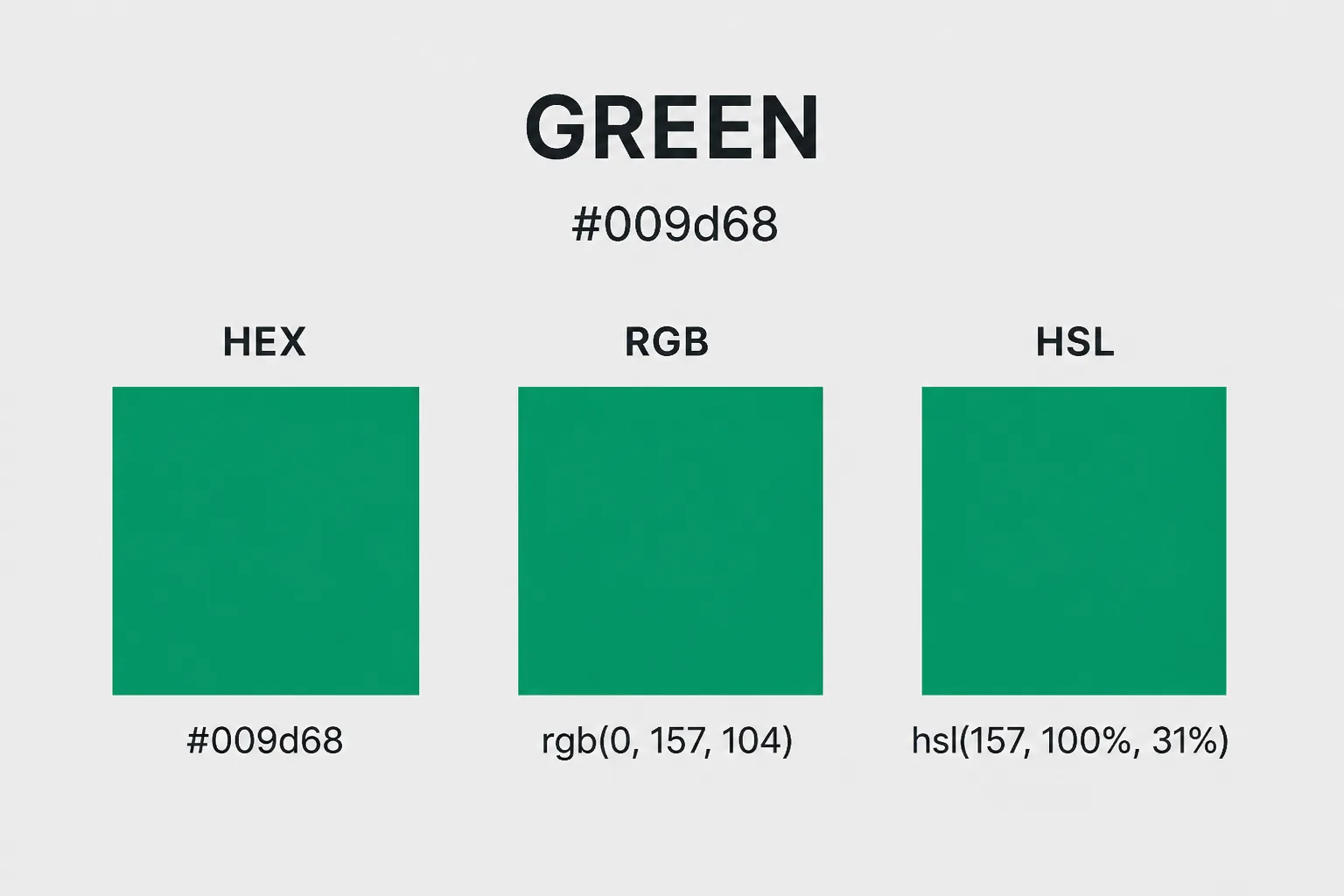
Design tools hop formats. Rounding errors hop with them. A small translation guide plus a palette generator.
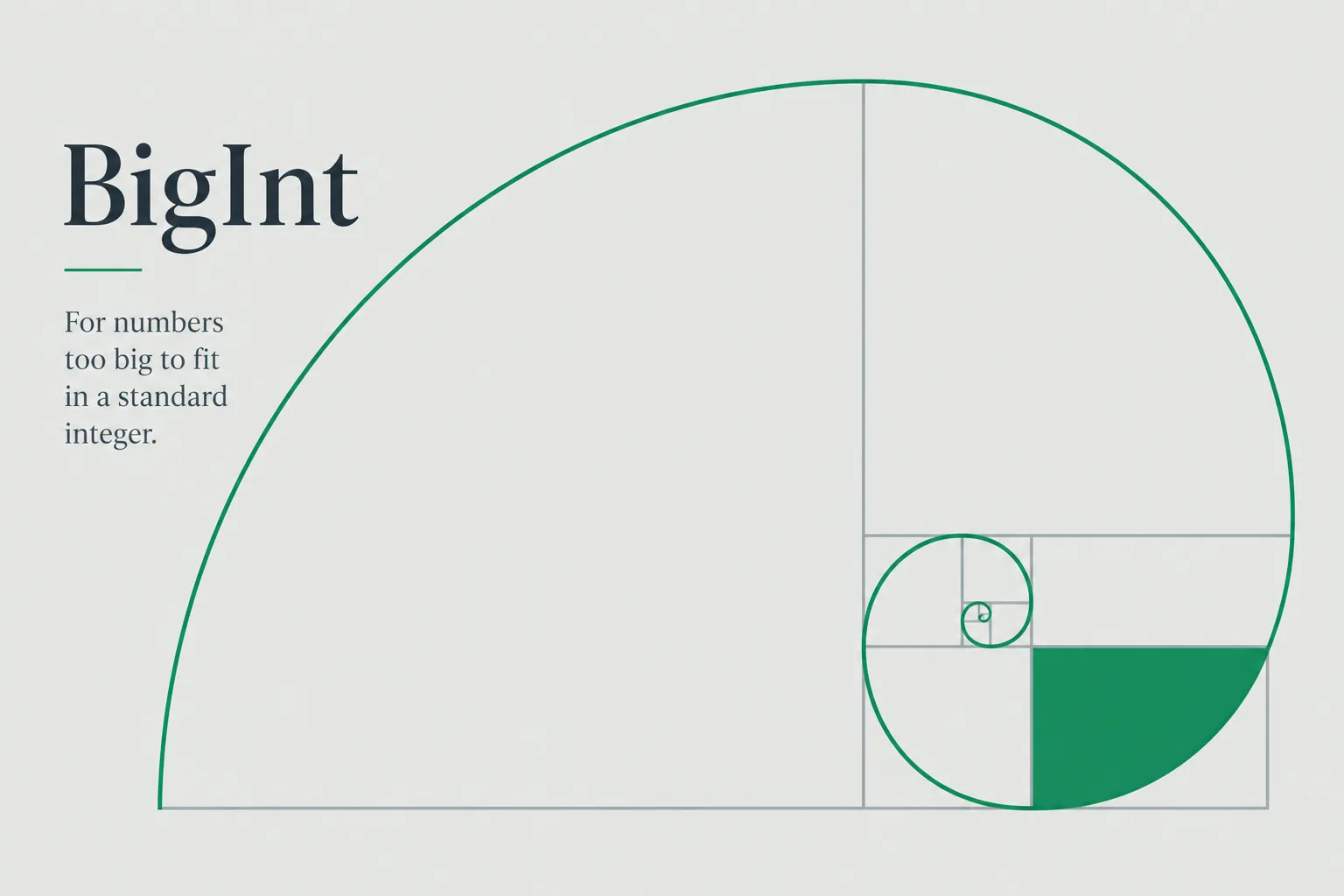
JavaScript Number dies around F(78). The sequence does not. Here is how the tool keeps going.
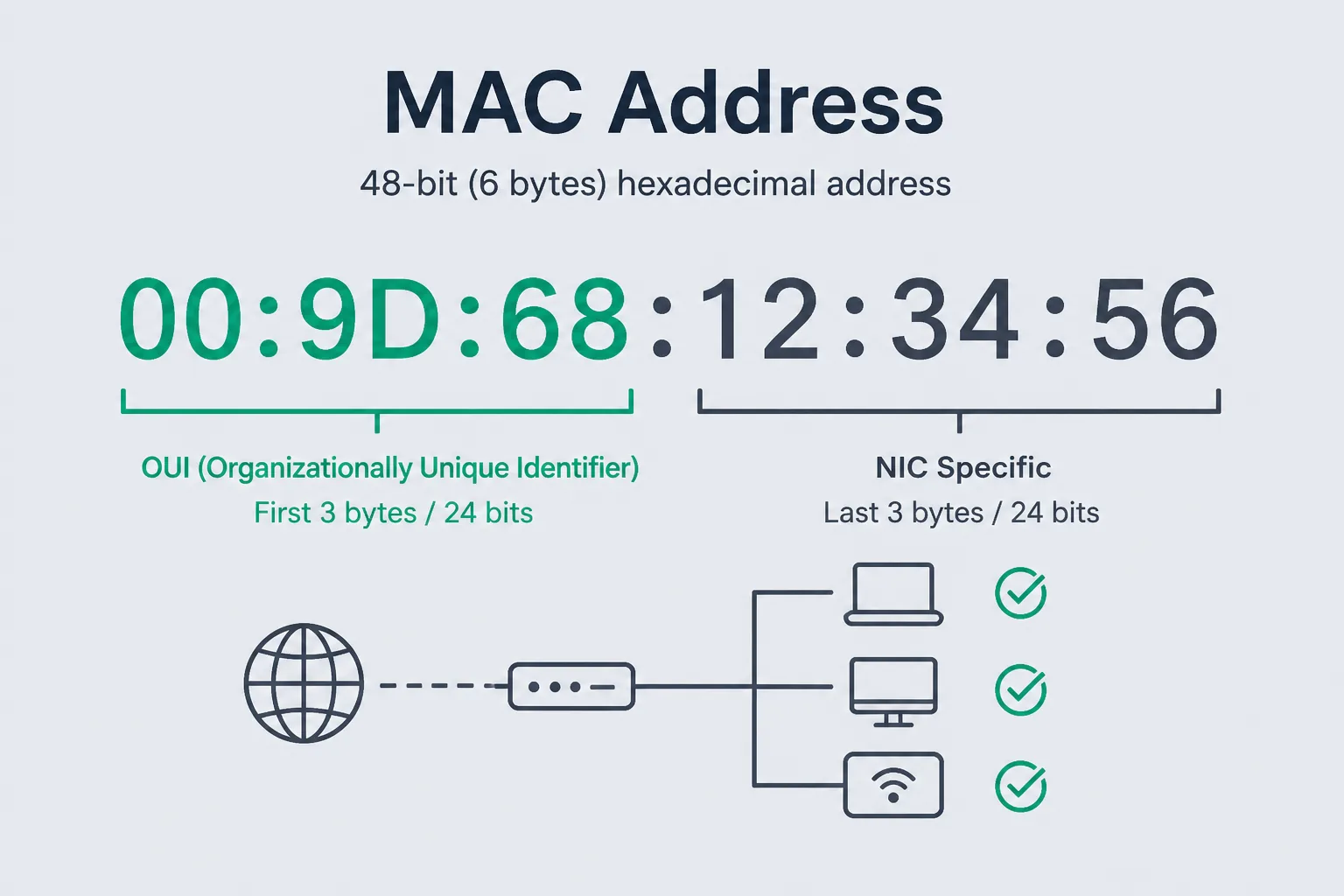
Six bytes, a vendor prefix, a locally administered bit. How to mint addresses that look plugged in.
A number can look like a VAT ID and still be unregistered. Format first, then the official lookup if you must.
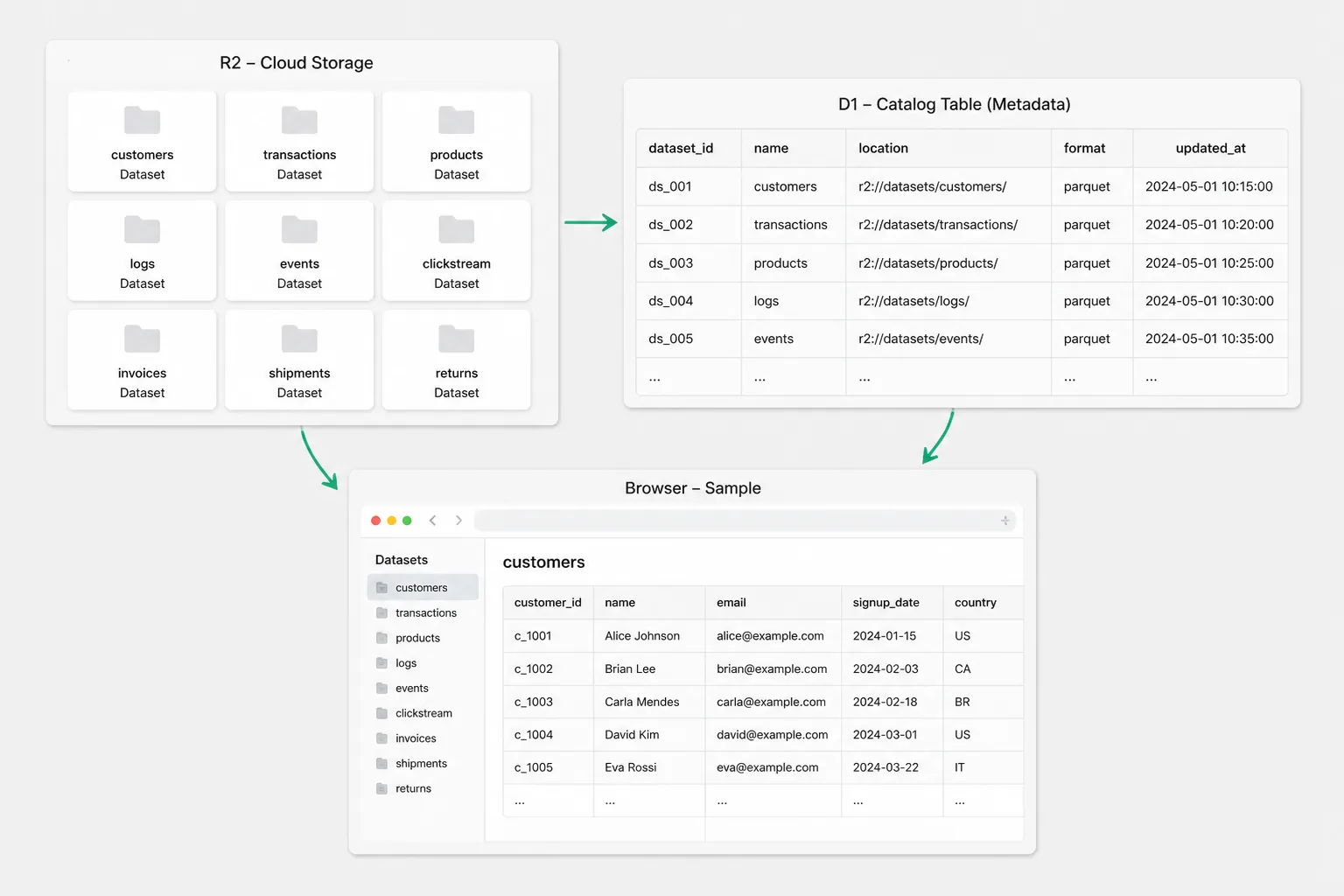
R2 shards, D1 catalogs, and why your browser does not download GeoNames in one gulp.
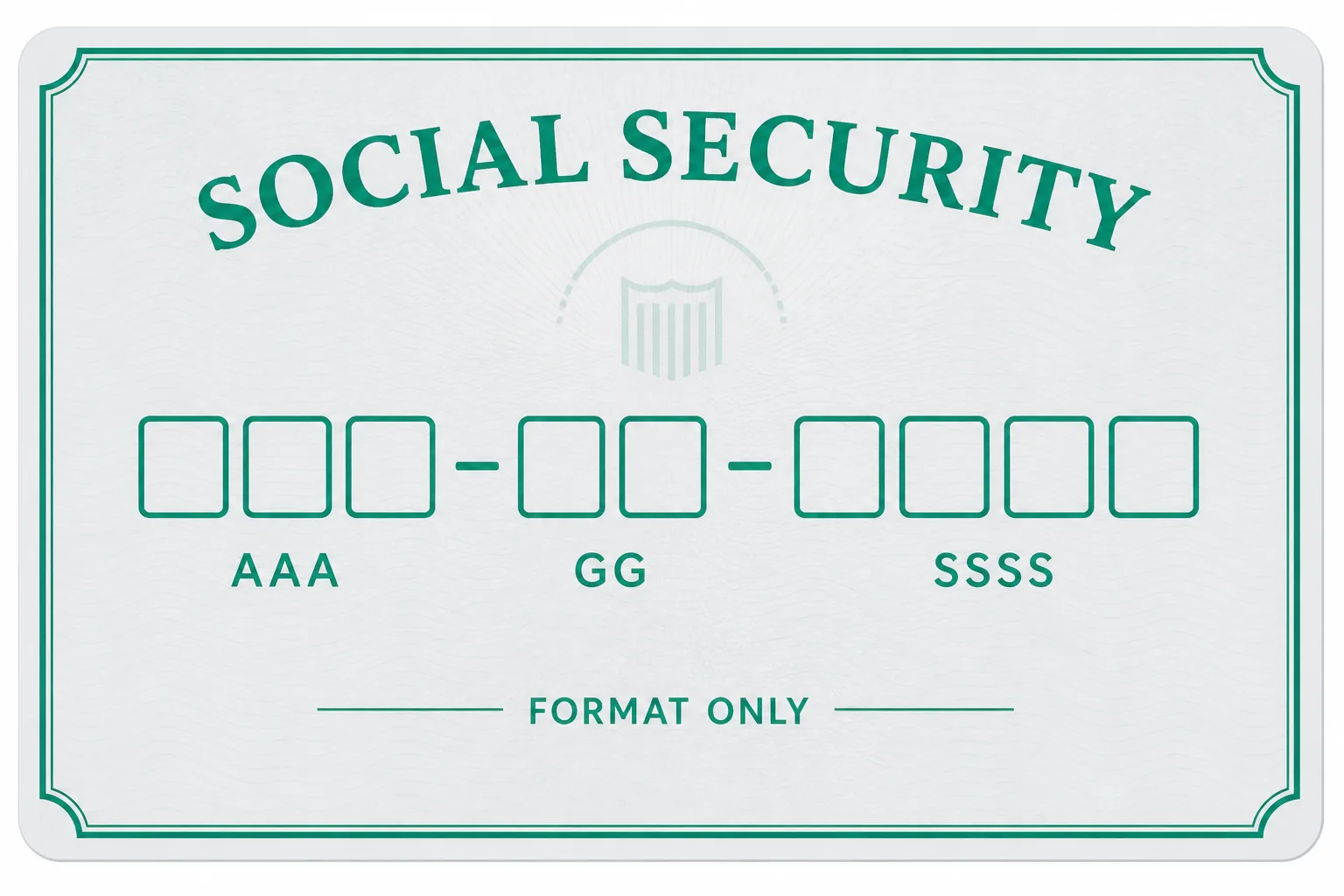
Area, group, serial. Invalid ranges. Why a green validator still must never mean “this person exists.”
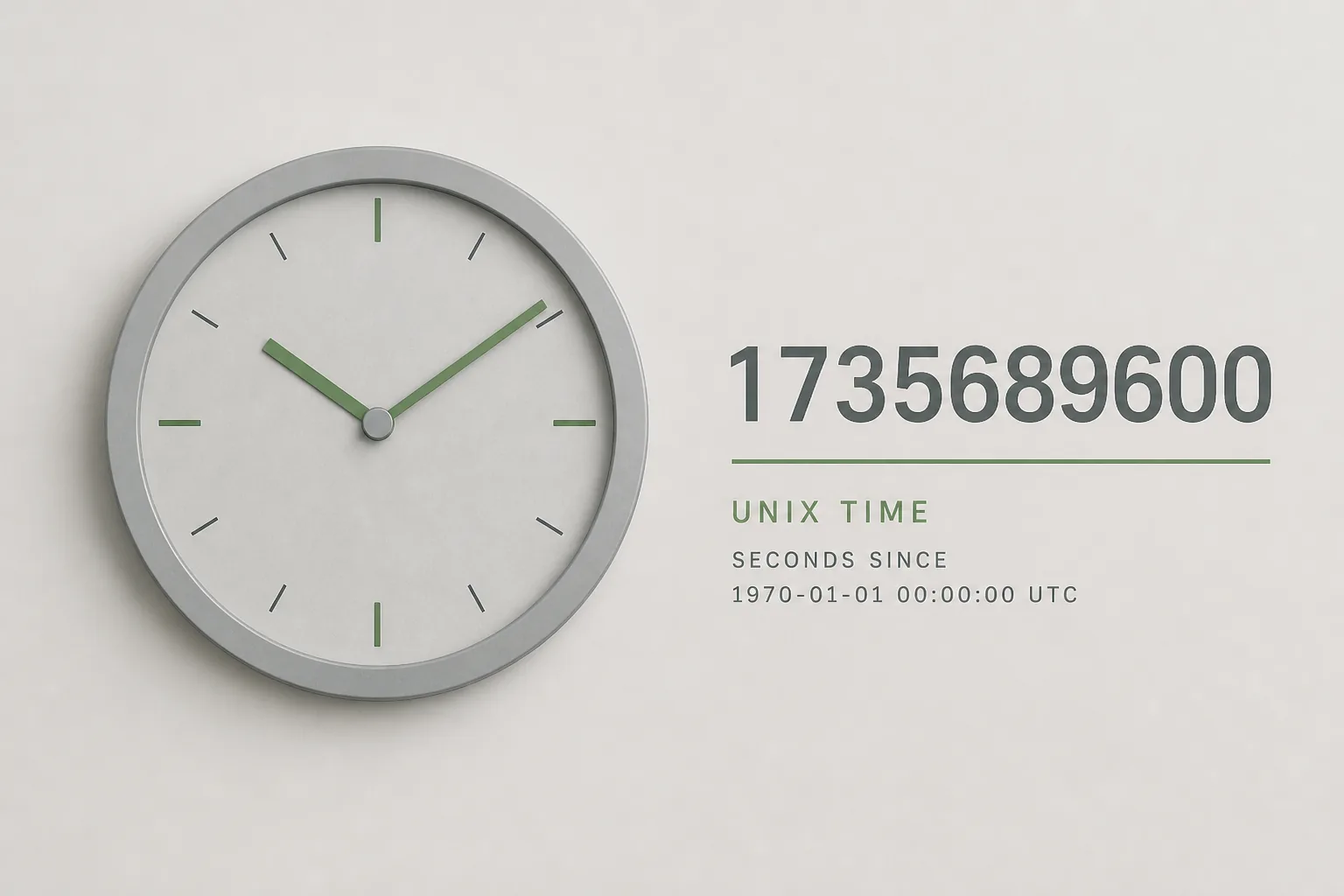
A timestamp is an integer. The unit is the part everyone forgets until the date lands in 1970 or 5138.
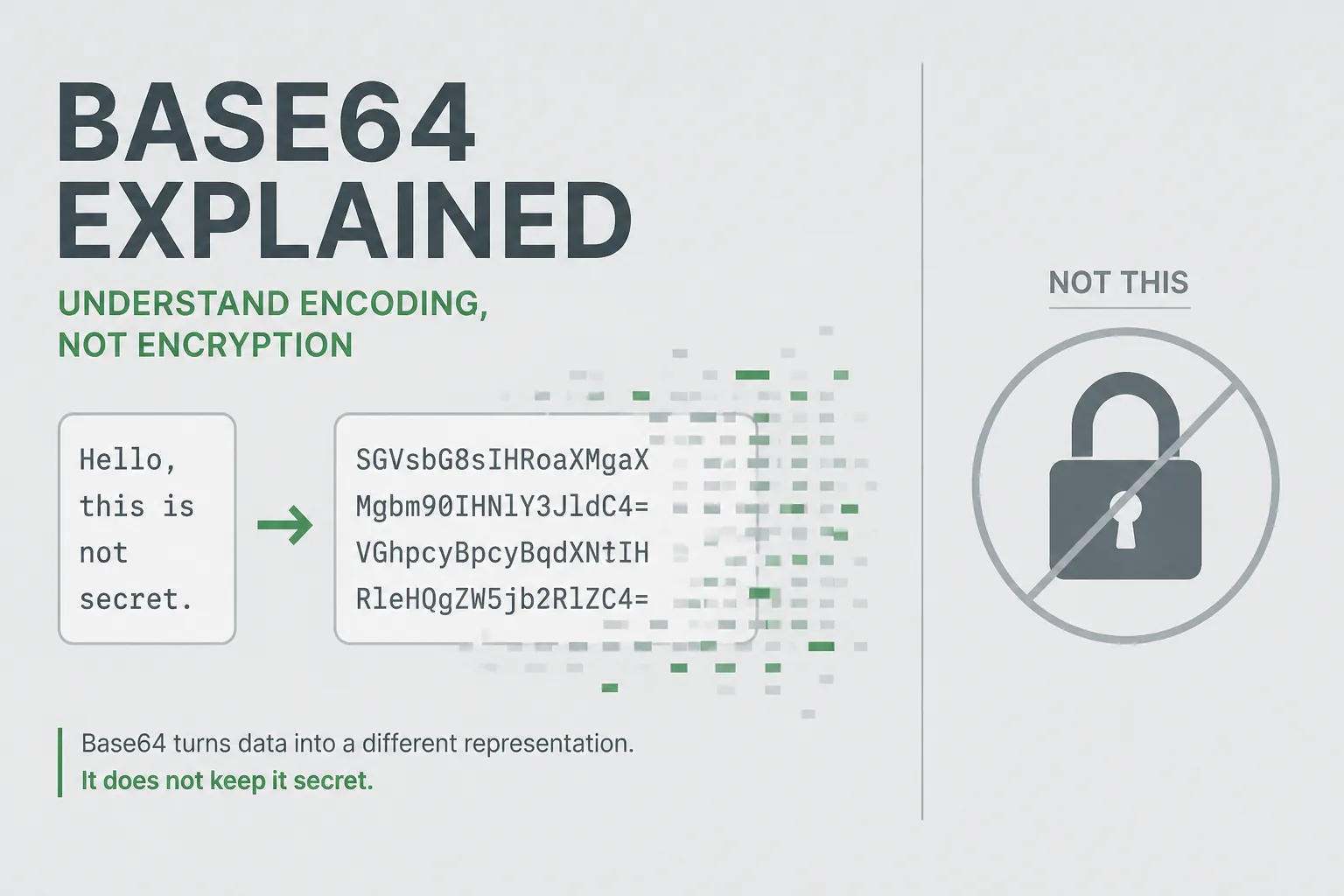
If you can reverse it without a key, you did not encrypt anything. Base64 is for bytes in text. That is all.

The fastest way to fail a security review is a production dump in staging. Build synthetic people instead.
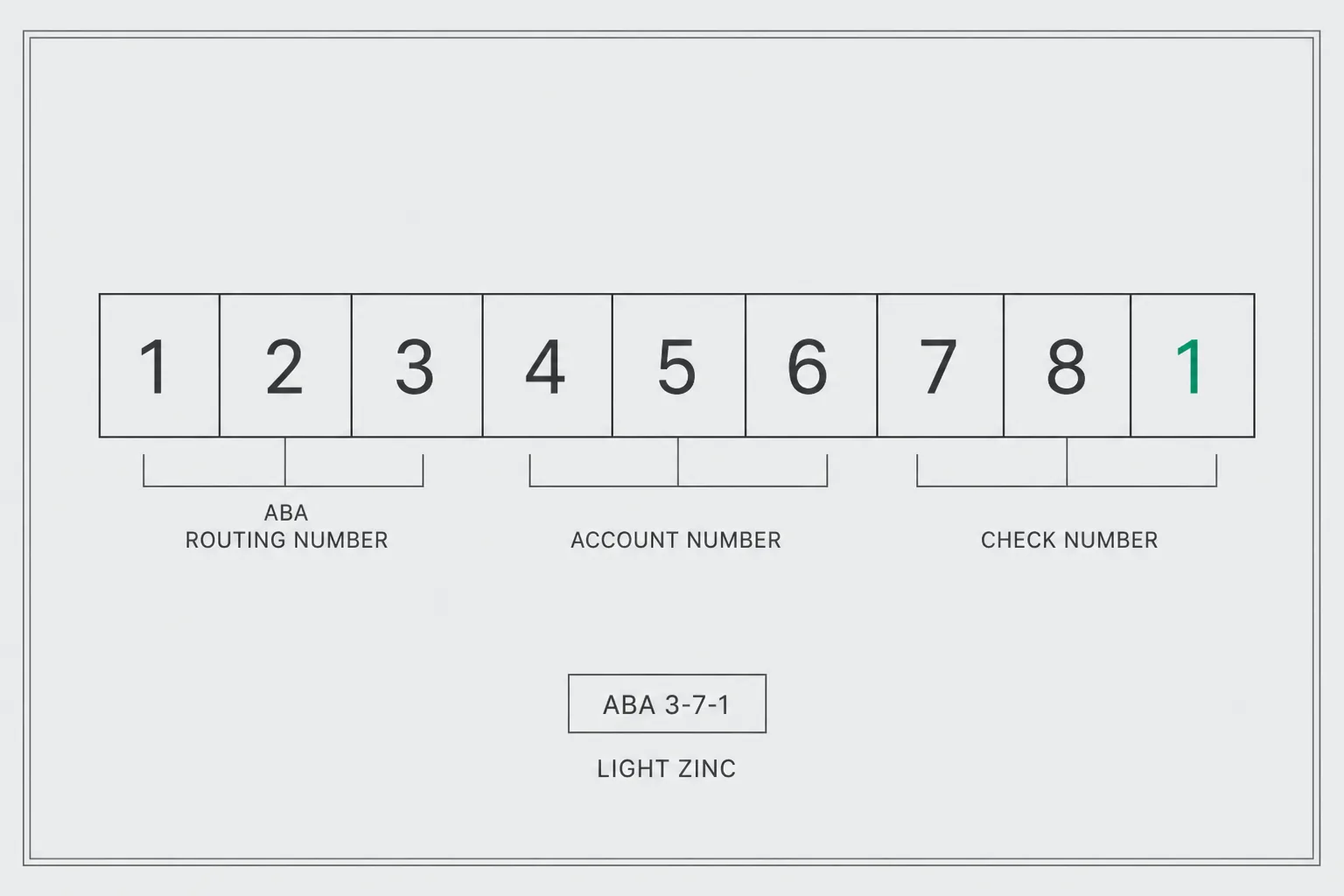
Nine digits, a weighted sum, mod 10. How to generate format-valid routing numbers for ACH fixtures.
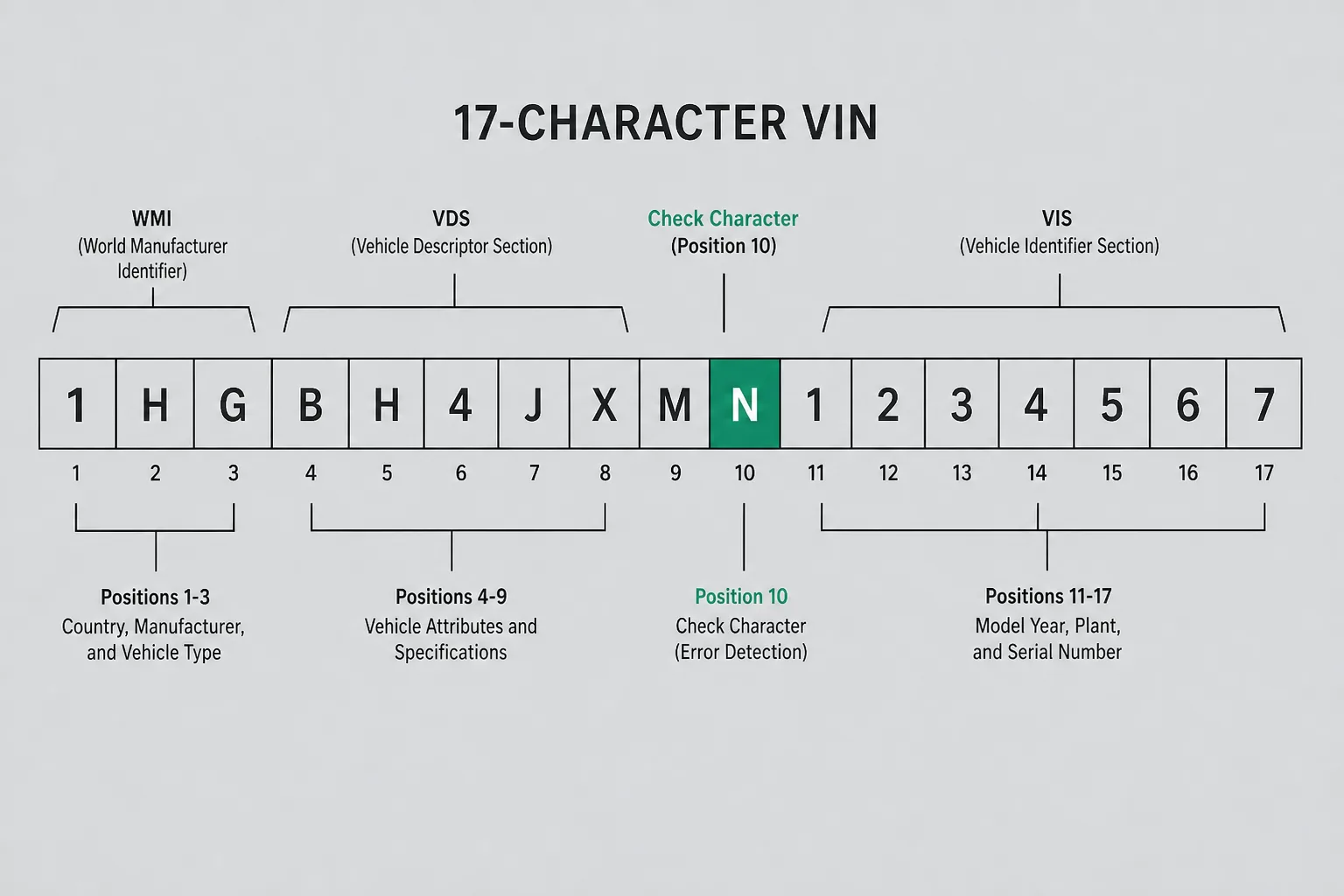
ISO 3779 stamps one check character. Decoding a real vehicle is a different call, to a government API.
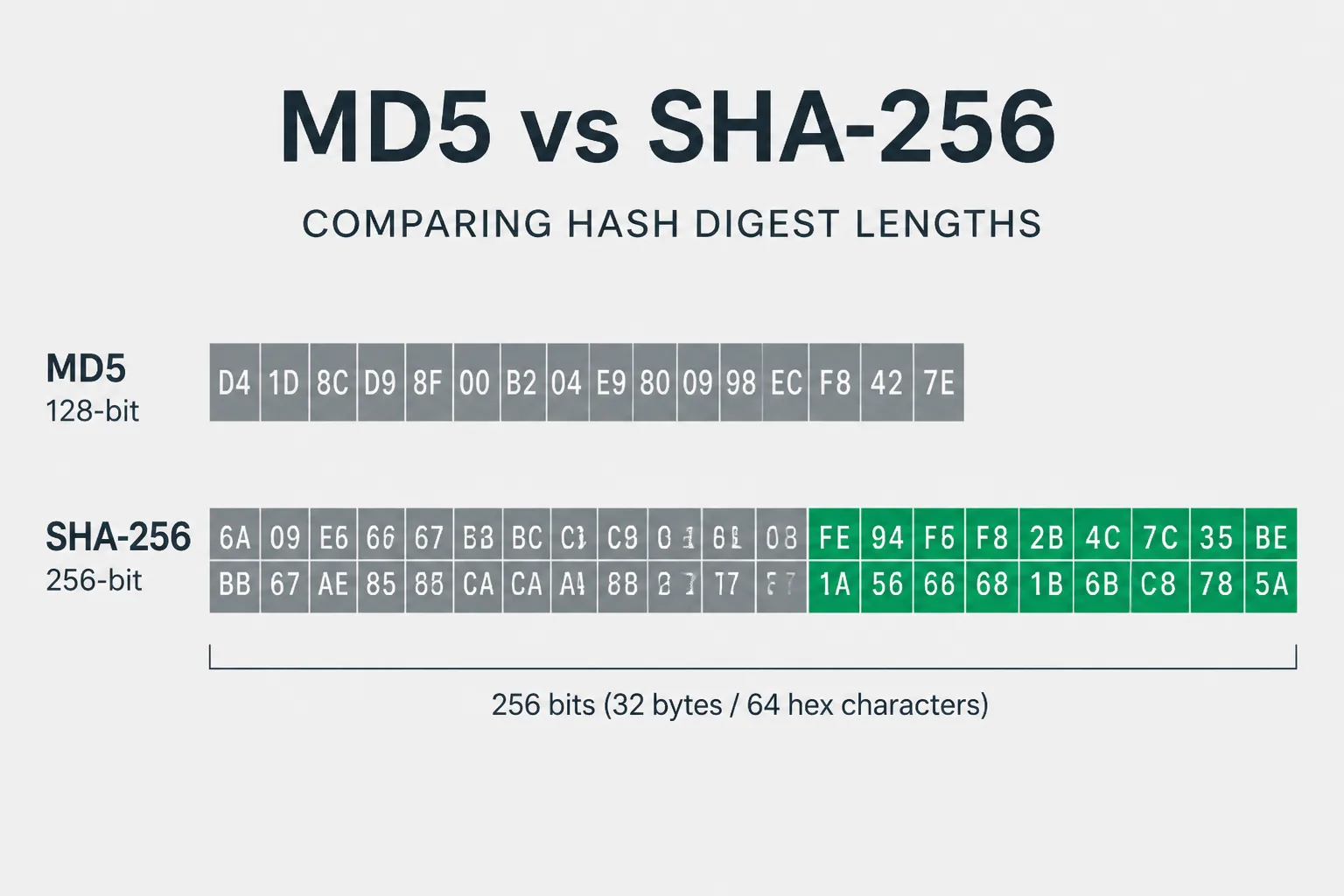
MD5 is fine for catching a botched download. It is not a password hash. SHA-256 is the workhorse I reach for instead.
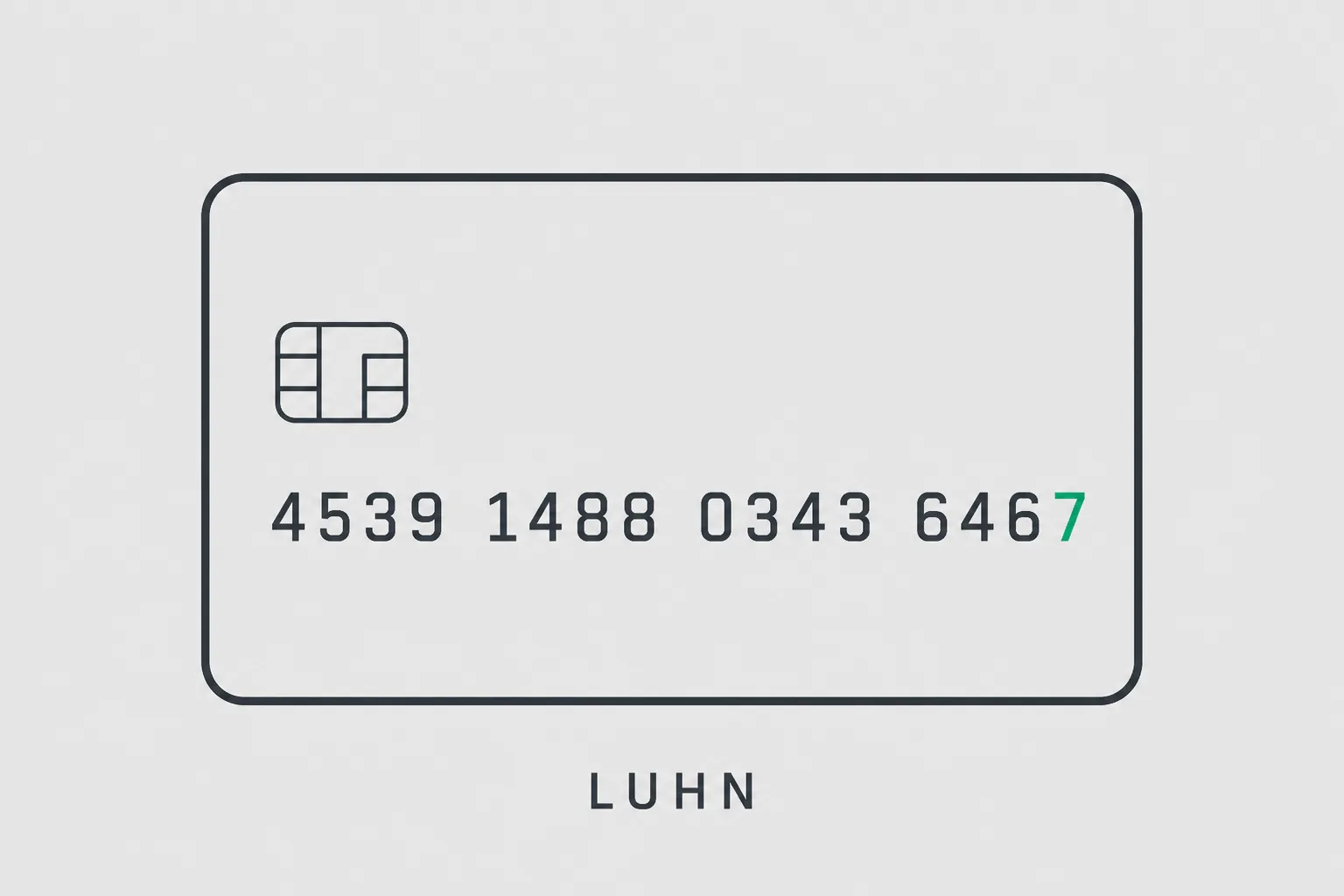
The Luhn digit is a filter for typos, not a payment. How to mint test PANs and keep them out of production.
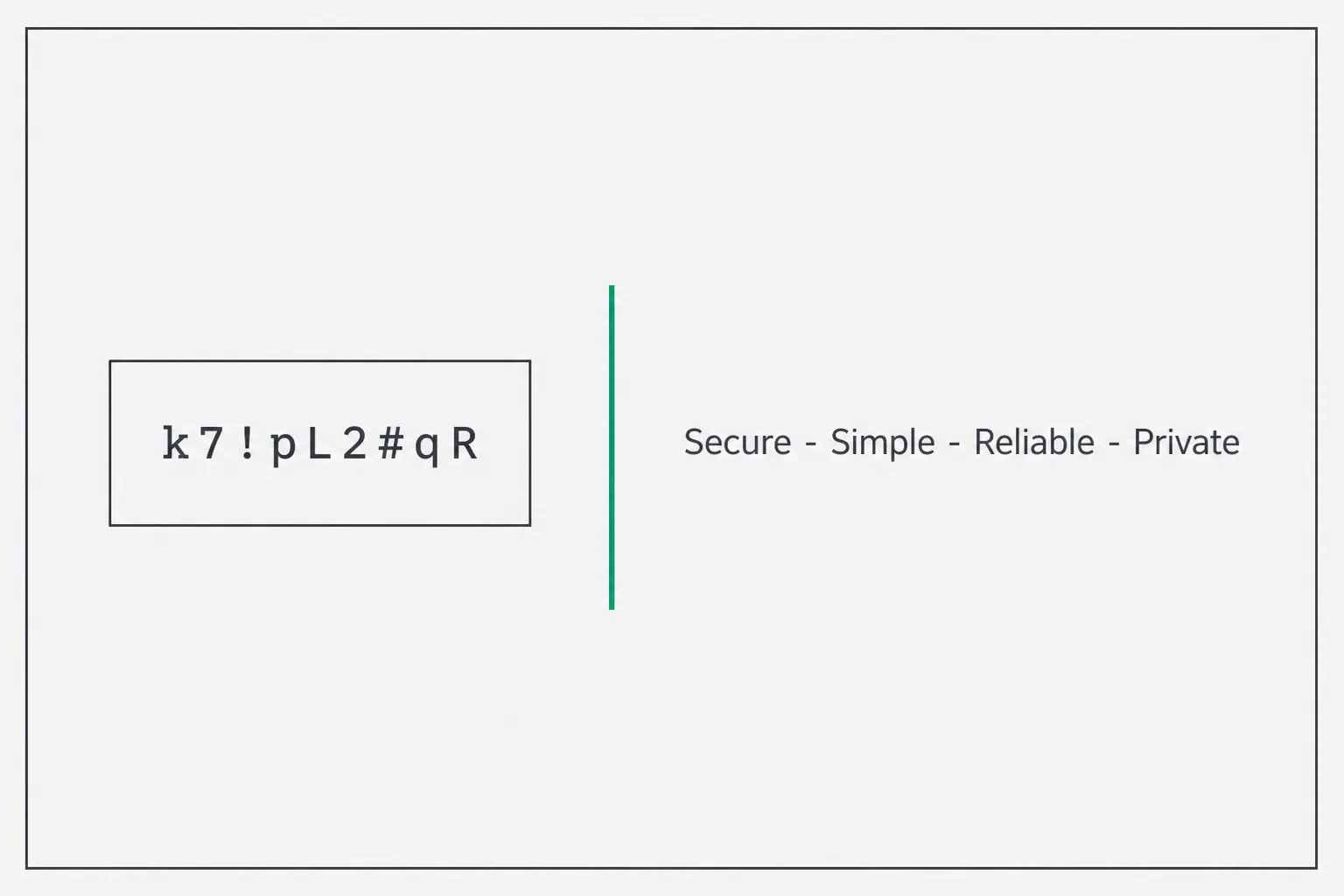
A 16-character random password and a four-word phrase can land in the same entropy band. The typing story is not the same.
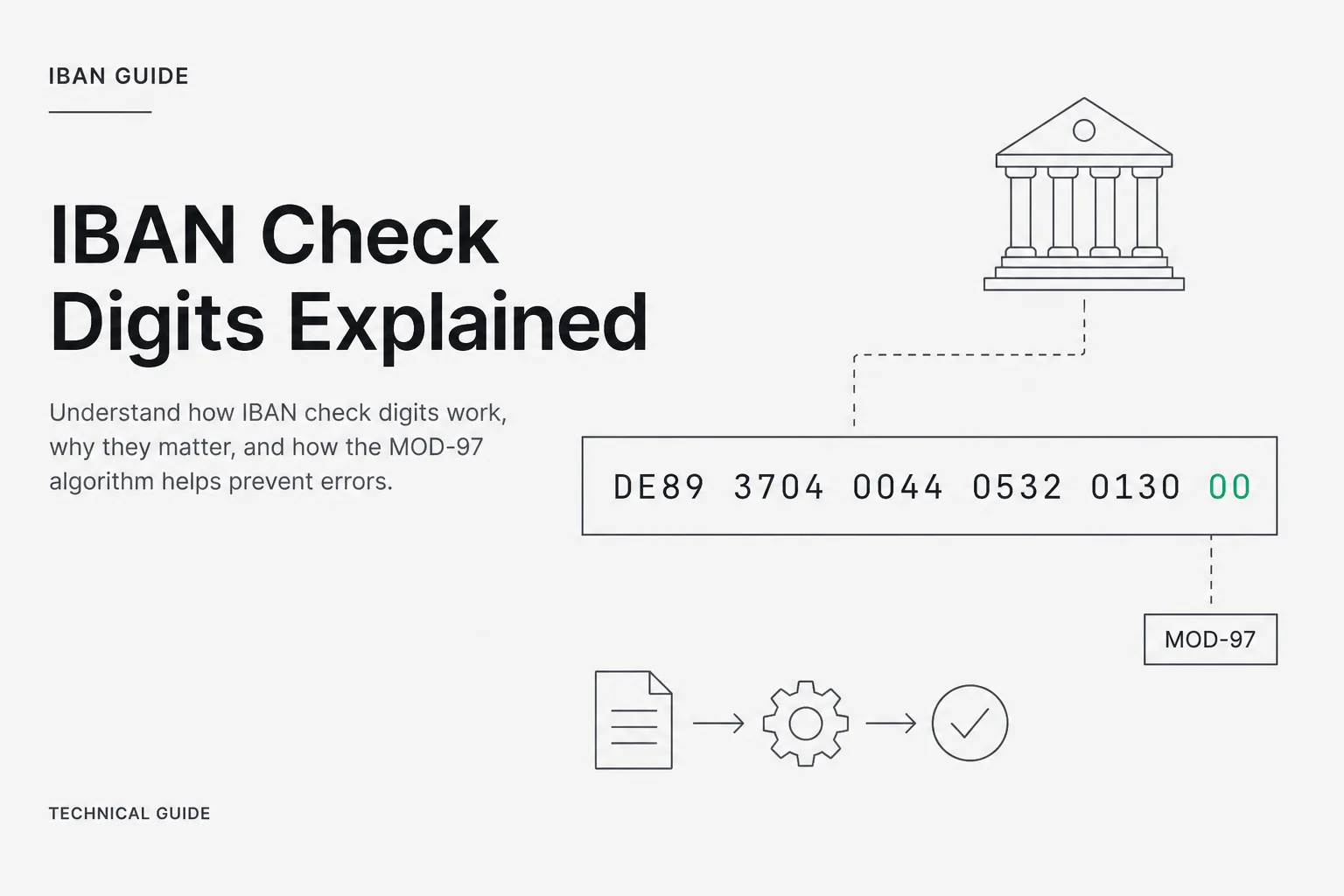
Two digits near the front of an IBAN are the whole checksum. Here is the rearrange-and-remainder procedure, and why BigInt matters.
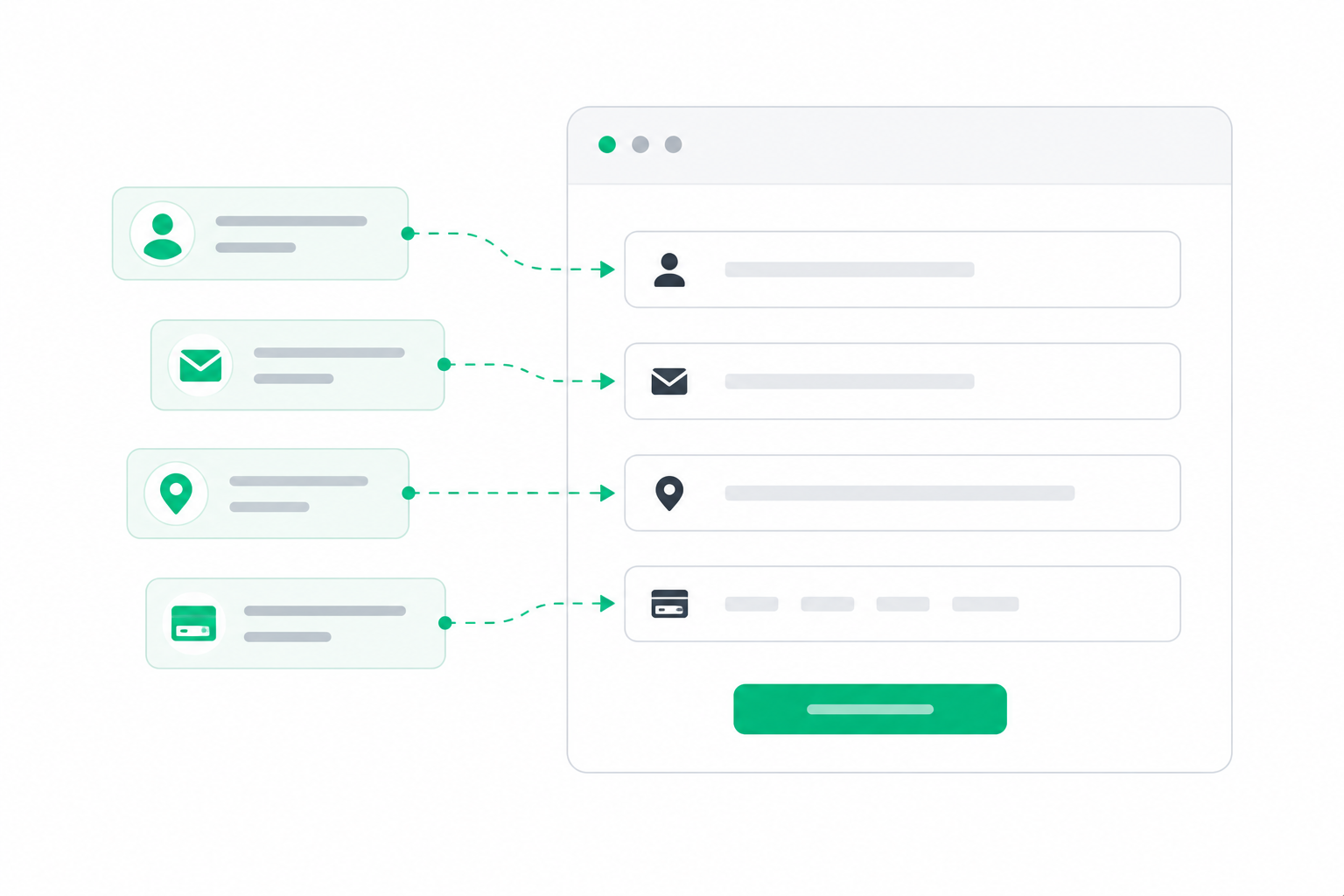
Test forms without risking real data. See how to generate realistic names, emails, addresses, and valid card numbers that pass validation but stay fake.
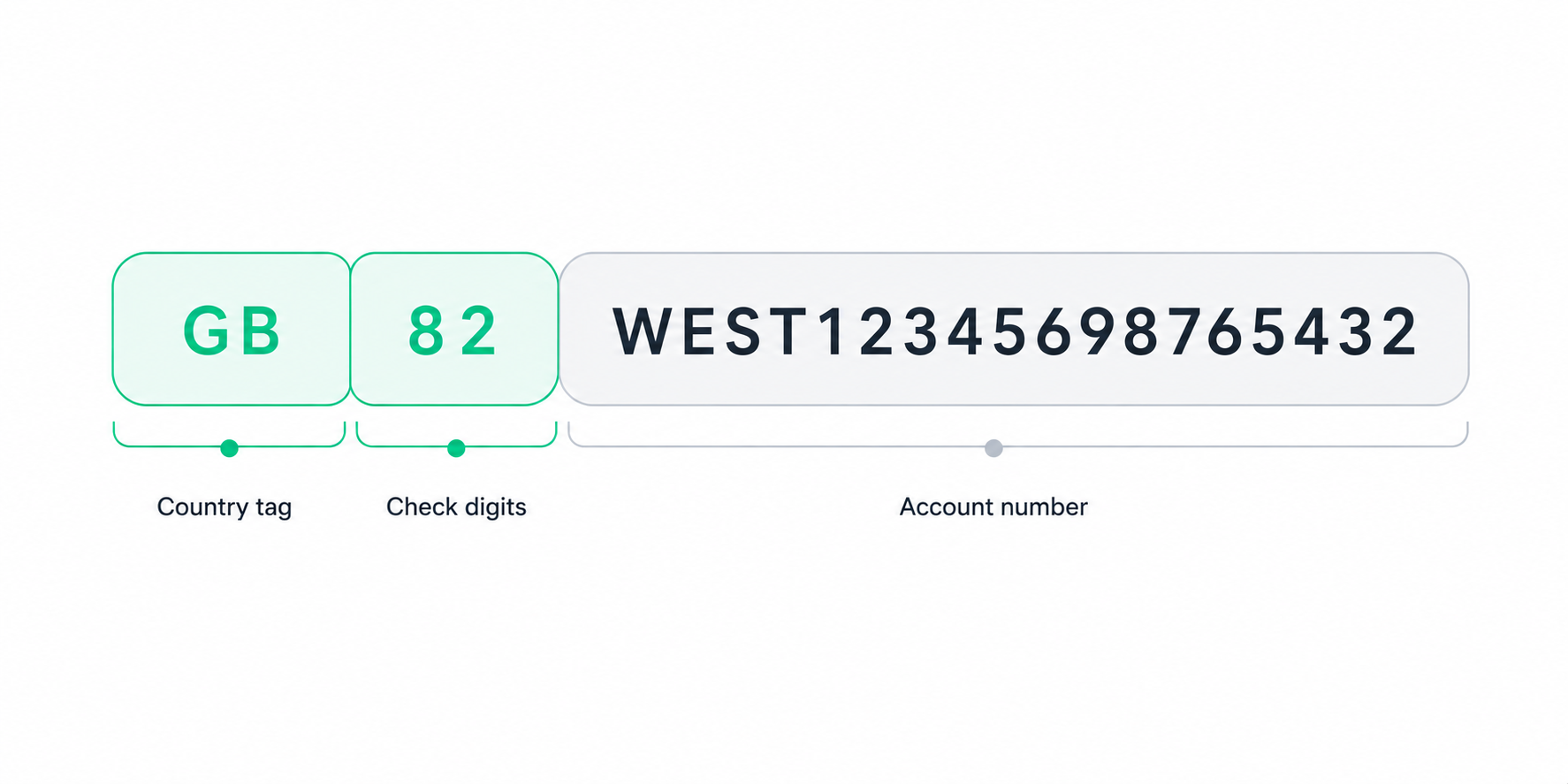
Decode any IBAN. See what the country code, check digits, and BBAN mean, how the mod-97 check validates a number, and how to build valid test IBANs.
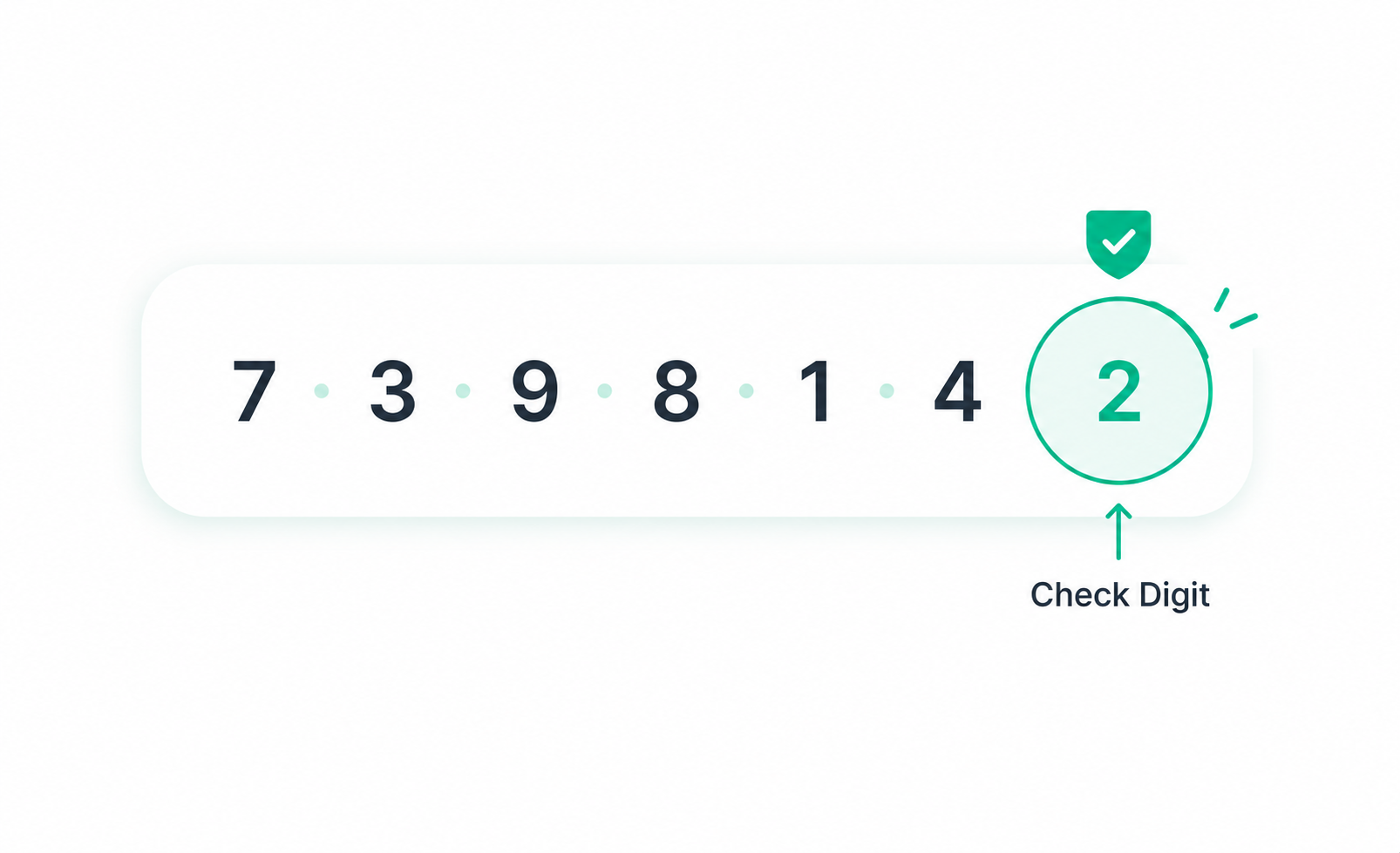
Ever wondered how a form catches a mistyped card? See how the Luhn algorithm works step by step, where it's used, and how to make valid test numbers.
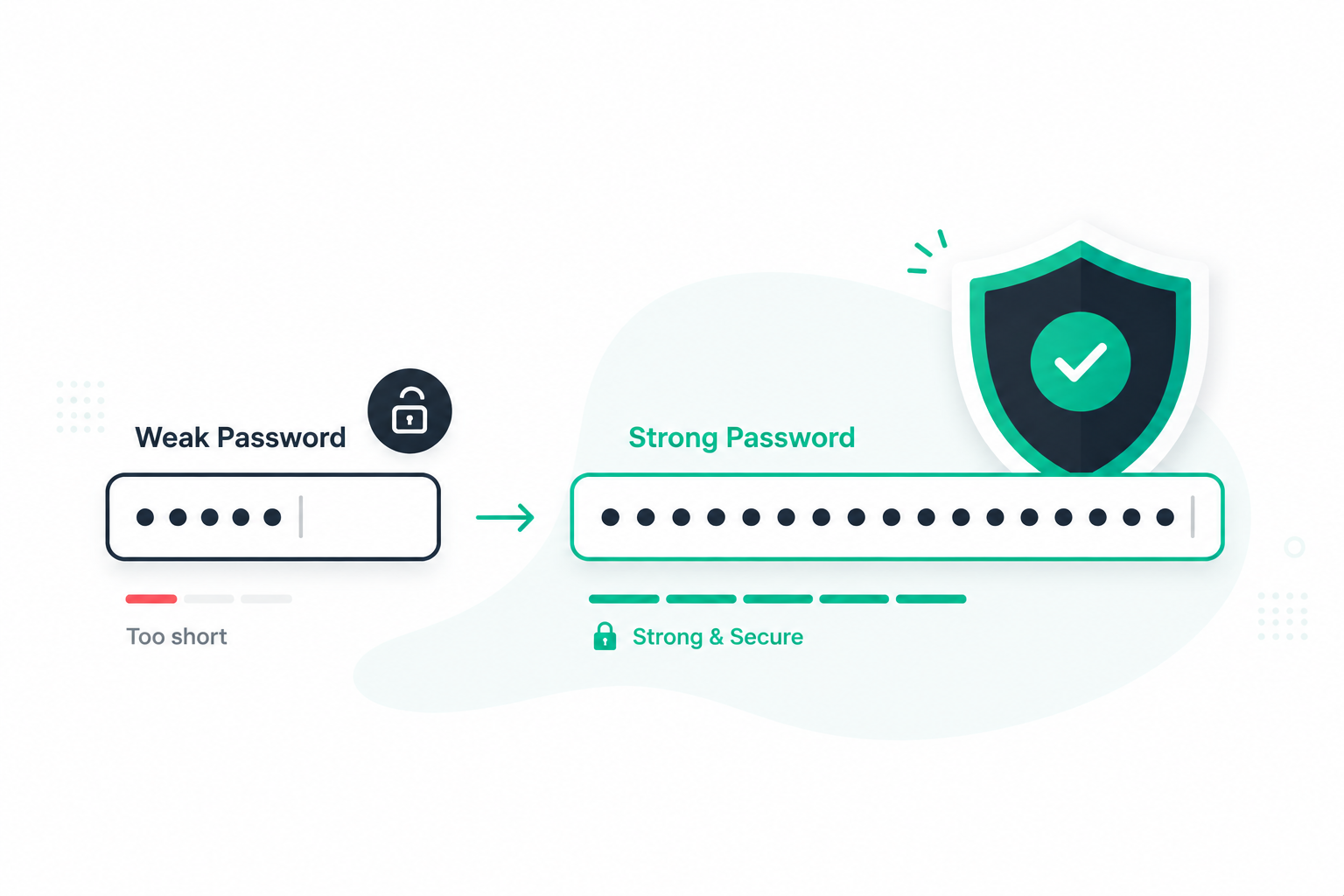
Stop relying on symbols. See what makes a strong password in 2026, why length beats complexity, how passphrases work, and how to generate one fast.
No posts in this category yet.